MLD Foundations: Anatomy, Physiology & Core Concepts
Lymphatic structures, fluid movement, drainage pathways, watershed territories, edema, introductory lymphedema concepts, and the physiological principles that make safe MLD practice possible.
Self-paced courses with a structured foundation in MLD.
Learn how the lymphatic system supports fluid balance, tissue recovery, and overall function — and how Manual Lymphatic Drainage can be taught as both a specialized manual therapy approach and a complementary skill set for massage therapists.
Lymphatic System FocusCourse content connects MLD technique to fluid balance, tissue recovery, and the body’s natural drainage pathways.
Structured CE CoursesSelf-paced course content organized around lymphatic anatomy, technique principles, and safety-based decision-making.
Professional MLD EducationA curriculum designed to support responsible, informed, and scope-aware application of Manual Lymphatic Drainage.
The lymphatic system helps move excess fluid out of the tissues, supports immune function, and plays an important role in the body’s normal recovery processes. This is why swelling, post-surgical recovery, inflammation, and tissue congestion are often discussed in relation to lymphatic health.
Manual Lymphatic Drainage, often called MLD, is a specialized light-touch approach that works with the body’s natural lymphatic pathways. The technique may look simple from the outside, but effective MLD depends on knowing the system underneath the skin.
Lymphatic Lab teaches MLD as more than a sequence of strokes. The goal is to help learners understand the lymphatic system itself, so the work can be applied with greater clarity, safety, and purpose.
Lymphatic Lab provides structured Manual Lymphatic Drainage continuing education for licensed massage therapists. The courses are built around anatomy-based technique, safety, and clinical reasoning so therapists can understand not only how to perform MLD, but why, when, and when not to use it.
The goal is not to teach choreography or memorized routines. Students learn foundational principles, pressure, timing, adaptation, and precautions so MLD can be applied more thoughtfully across wellness, recovery, post-operative, and medically informed practice settings.
Lymphatic Lab offers self-paced continuing education courses for licensed massage therapists, covering the foundational knowledge and clinical judgment needed for safe, effective MLD practice. New courses are added as the curriculum expands.
Lymphatic structures, fluid movement, drainage pathways, watershed territories, edema, introductory lymphedema concepts, and the physiological principles that make safe MLD practice possible.
Technique principles, body mechanics, stroke delivery, introductory sequencing, post-operative considerations, and selected application areas including sports, orthopedic, cosmetic, and recovery settings.
Absolute and relative contraindications, precautionary conditions, referral awareness, compression garment concepts, skin integrity, and decision-making when working with medically complex presentations.
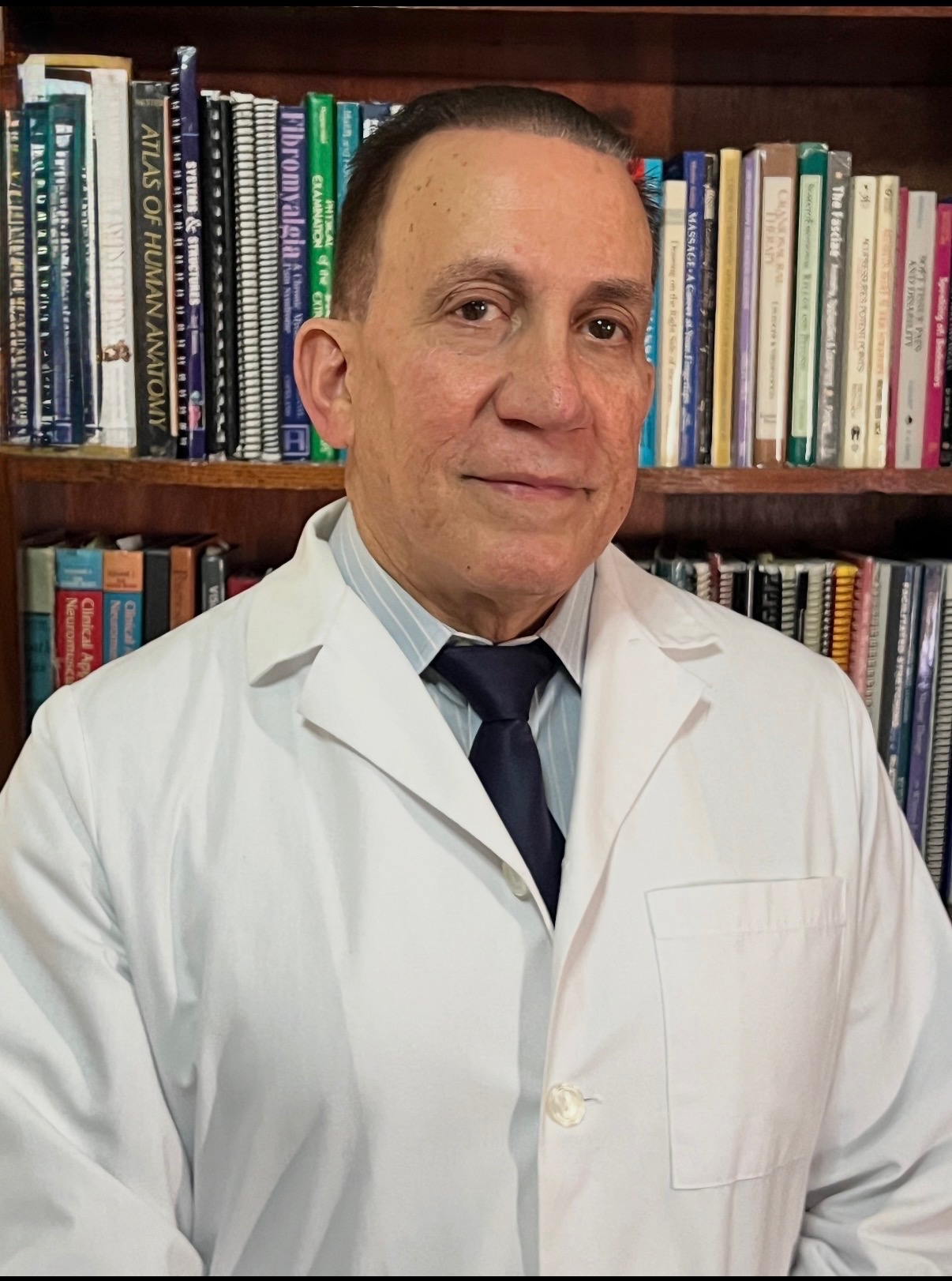
Eric brings decades of experience in rehabilitation, massage therapy, manual therapy, and lymphatic drainage education. His teaching emphasizes anatomy, technique fundamentals, and practical decision-making for licensed massage therapists learning MLD.
Read About EricMS, OTR/L, LMT · Founder, Lymphatic Lab Continuing Education
Eric J. Raldiris is an Occupational Therapist and Licensed Massage Therapist based in Orlando, Florida. He holds a Master's degree in Health Science Education from the State University of New York and brings a combined background in rehabilitation, manual therapy, and continuing education.
Eric became licensed in massage therapy in 2005 and has completed specialized training in several manual therapy approaches, including CranioSacral Therapy, Visceral Manipulation, Myofascial Release, Neuromuscular Therapy, Point Electrical Stimulation, and Active Isolated Stretching.
He began his studies in lymphatic drainage in 2003 with Dr. Bruno Chikly through the Upledger Institute. In 2008, he became certified in Manual Lymphatic Drainage through MLD Institute International in West Palm Beach, Florida, and in 2017 became an instructor with the institute.
In addition to teaching through Lymphatic Lab Continuing Education, Eric has led two- and three-day Manual Lymphatic Drainage seminars for national continuing education providers including PESI and Elite.
Eric teaches from the position that technique without context is incomplete. Lymphatic work requires more than reproducing a sequence; it requires understanding assessment, timing, pressure, adaptation, and safety.
Students are taught to think through why a technique may be appropriate, when it should be modified, and when it should not be used at all. This approach reflects how MLD is actually applied in practice: across preventative, preparatory, restorative, and supportive care contexts.
His courses through Lymphatic Lab Continuing Education are designed for licensed massage therapists who want to learn MLD with real depth — not a quick workshop that leaves gaps in anatomical understanding, clinical reasoning, or safety awareness.
Lymphatic Lab is Eric's continuing education practice, built around three core self-paced courses covering the foundational anatomy, hands-on technique, and safety considerations that define competent MLD practice. The program is designed for licensed massage therapists who want a structured, anatomy-grounded MLD curriculum that holds up in real practice settings.
For course inquiries or scheduling, use the contact page.
Self-paced continuing education courses in Manual Lymphatic Drainage for licensed massage therapists, taught by Eric J. Raldiris, MS, OTR/L, LMT.
Licensed massage therapists who are new to MLD or who want to build a more complete anatomical and physiological understanding before — or alongside — technique training. No prior MLD coursework is assumed.
Technique without anatomical grounding is unreliable. Understanding the actual structures you're working with — their location, their function, and how fluid moves through them — makes technique decisions clearer and safer.
Self-paced course. Course access, completion requirements, and CE details will be provided with enrollment information.
Licensed massage therapists. No prior MLD experience required.
Licensed massage therapists who have a working anatomical and physiological foundation in lymphatic function and are ready to develop hands-on technique competency. Prior completion of MLD Foundations or equivalent background is recommended.
MLD is a low-pressure, highly specific technique. Poor body mechanics, incorrect stroke delivery, or misapplied sequence structure can reduce effectiveness or, in certain presentations, cause harm. This course trains technique with the precision the modality requires.
Self-paced course. Course access, completion requirements, and CE details will be provided with enrollment information.
Licensed massage therapists. Foundational anatomical knowledge recommended.
Licensed massage therapists at any stage of MLD education who want a clear, clinically grounded safety framework. This course is valuable as a standalone offering and as a complement to technique training.
MLD is often sought by clients managing lymphedema, post-surgical recovery, or other medical conditions. Working responsibly in these contexts requires more than technique skill — it requires clear thinking about when, how, and whether to work at all.
Self-paced course. Course access, completion requirements, and CE details will be provided with enrollment information.
Licensed massage therapists. Relevant at any stage of MLD education.
Use the contact page to reach out about course details, approvals, or future offerings.
Contact UsFor course inquiries, scheduling questions, or registration interest — Eric responds to all messages directly.
Use this form to reach out about any of our courses. We'll follow up with available dates, location details, and enrollment information.